In today’s competitive business environment, companies are constantly looking for efficient ways to reduce costs, improve product quality, and scale operations. One of the most effective strategies to achieve these goals is third-party manufacturing. This model is widely adopted across various industries, especially in pharmaceuticals, cosmetics, food, and supplements.
But what exactly is third-party manufacturing, and how does it work? This blog will break it down in simple terms.
What is Third-Party Manufacturing?
Third-party manufacturing, also known as contract manufacturing, is a business arrangement where a company outsources the production of its products to another company.
Simply put:
You own the product concept, brand, and marketing
Another company is responsible for manufacturing the product
This model allows you to focus on branding, distribution, and customer engagement while leaving the manufacturing process to experienced professionals.
How Does It Work?
The process of third-party manufacturing is relatively straightforward and involves the following steps:
Partner Selection – Choose a reliable third-party manufacturer.
Product Formulation – Share your formula or select from available options.
Packaging Design – Customize labels and packaging with your brand identity.
Production – Manufacturer produces the product in the desired quantity.
Delivery – Finished goods are shipped to your warehouse or distribution center.
Advantages of Third-Party Manufacturing
Third-party manufacturing offers several benefits, especially for startups and small to mid-sized businesses.
Cost Savings
No investment required for production facilities or equipment
Reduced labor and overhead costs
Focus on Core Business
You can focus on sales, marketing, and customer service
Frees up resources for business development
Access to Expertise
Manufacturing is handled by skilled professionals
Ensures compliance with industry standards and regulations
Faster Time to Market
Quick production and delivery cycles
Enables rapid product launches
Scalability
Easily scale production up or down based on demand
No need for additional infrastructure investment
Industries That Commonly Use Third-Party Manufacturing
This model is used in several industries, including:
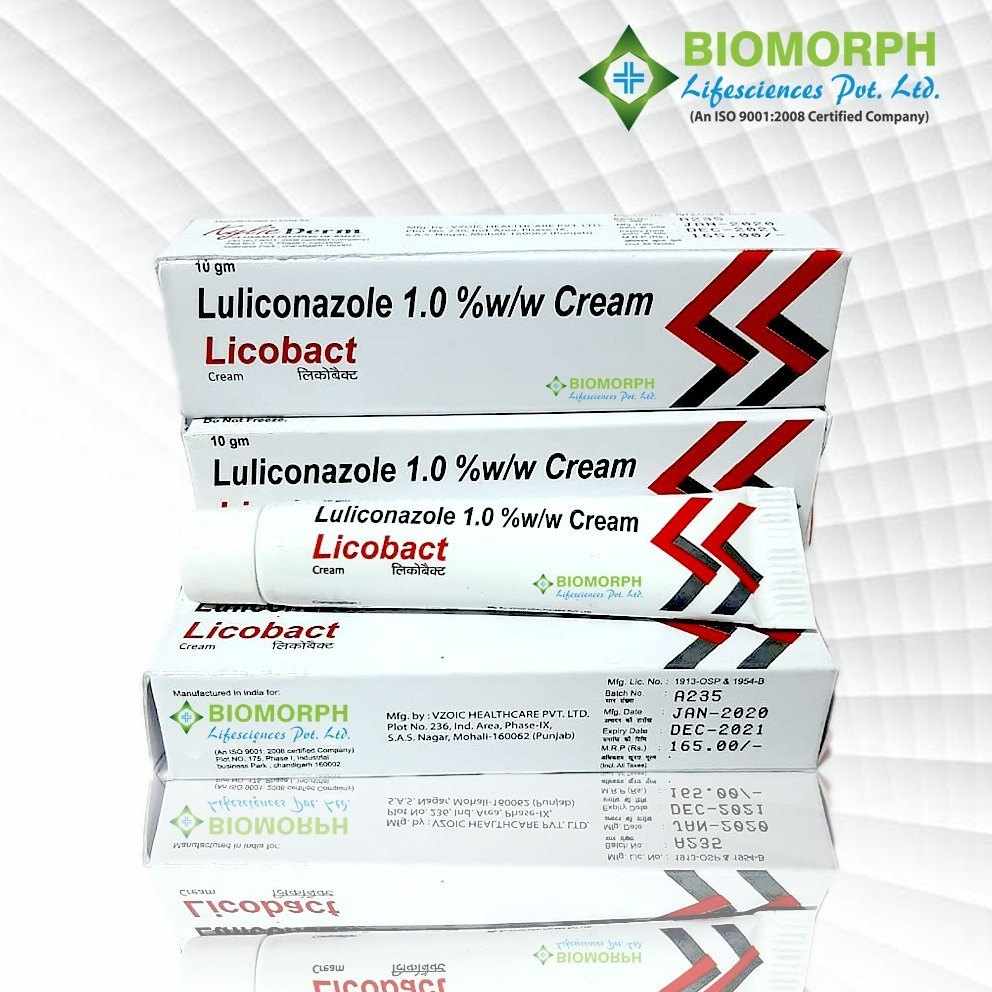
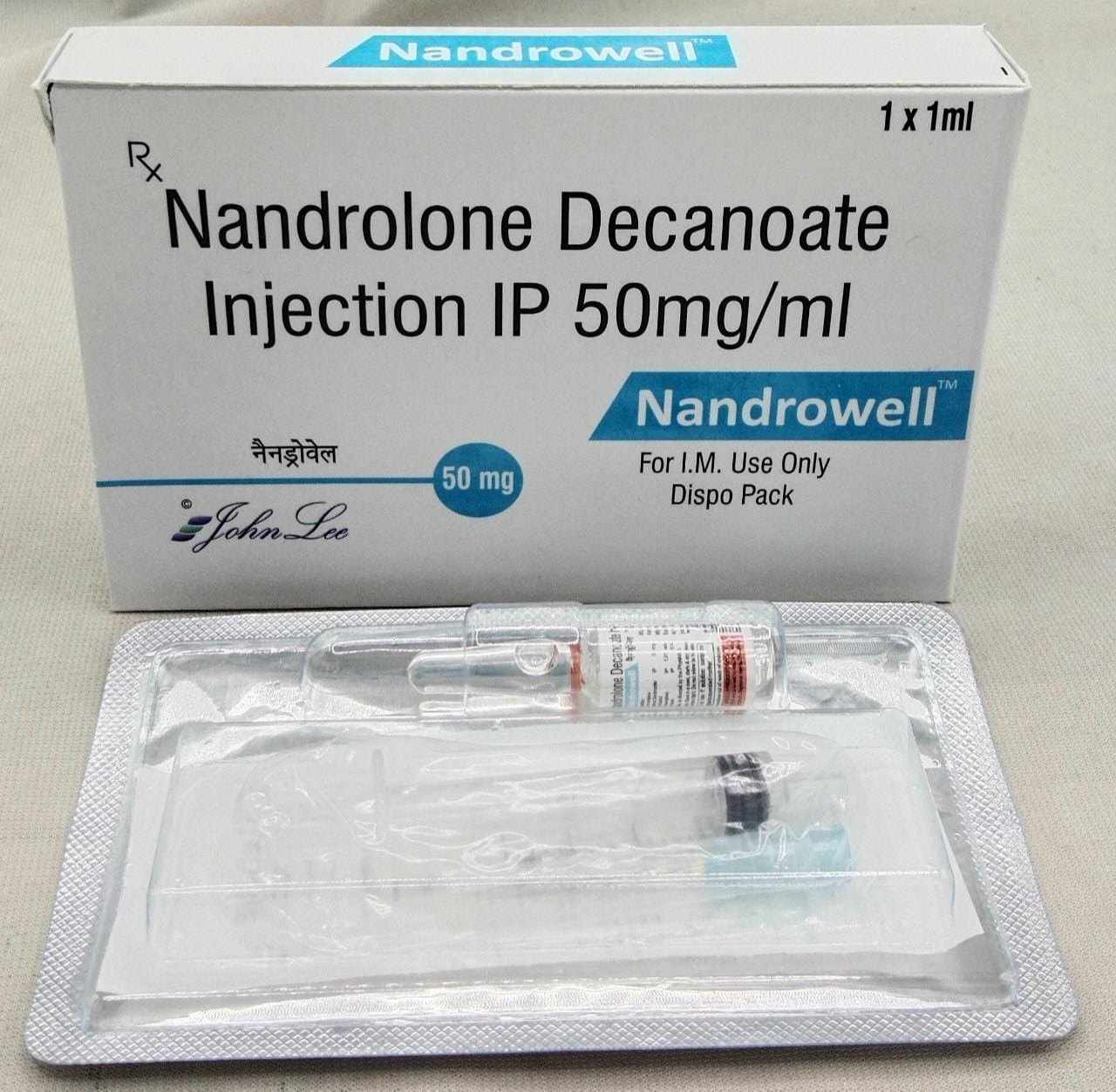
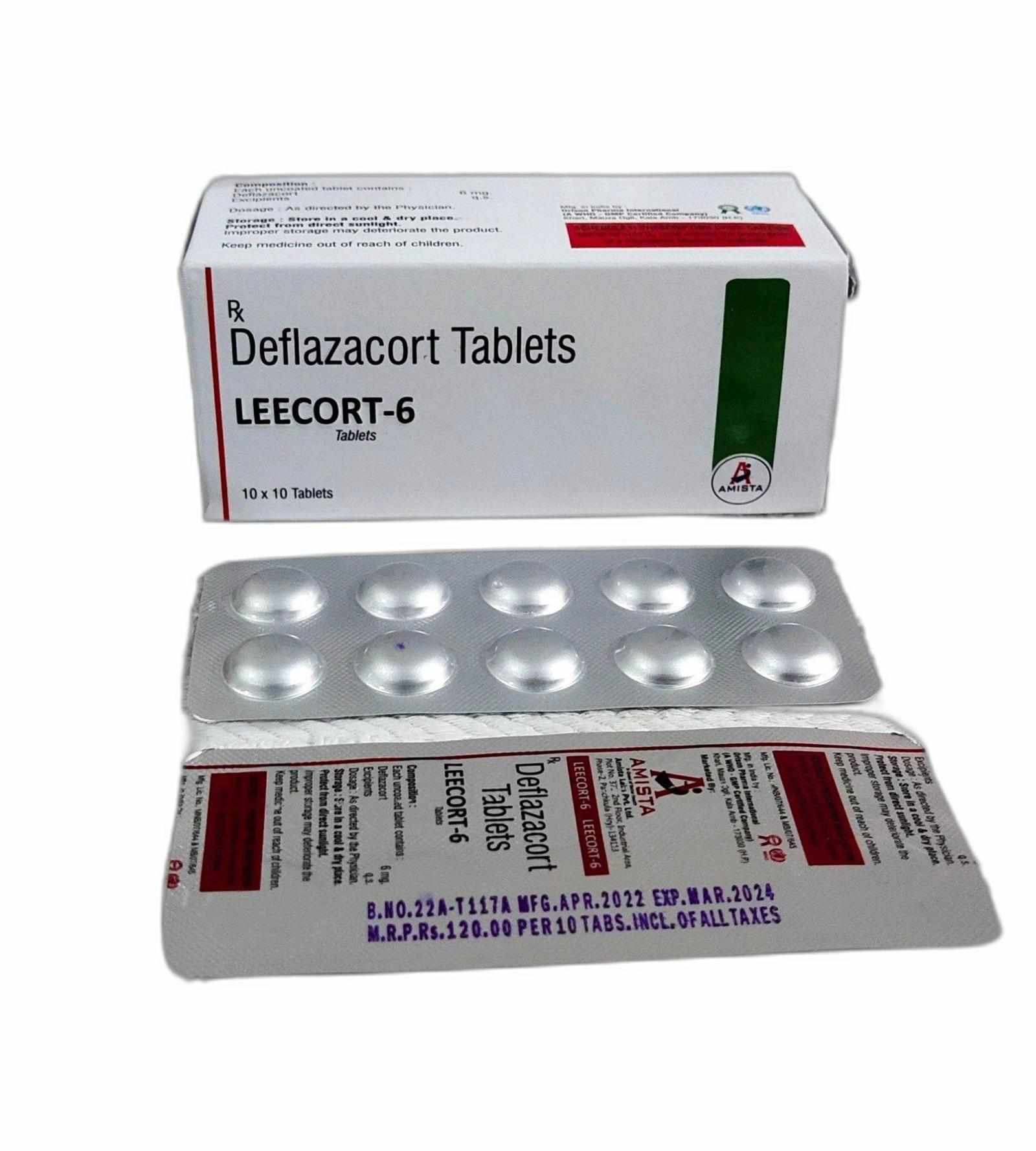
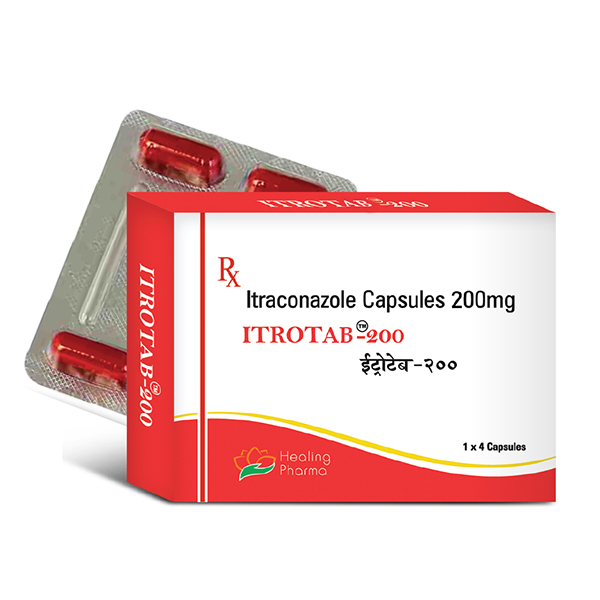
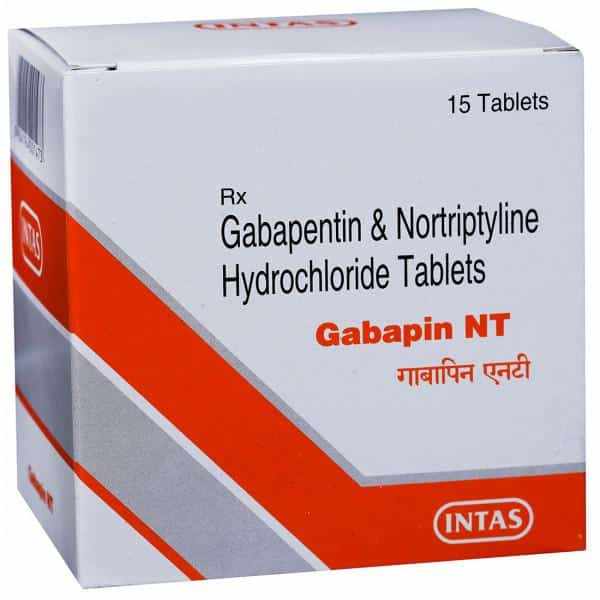
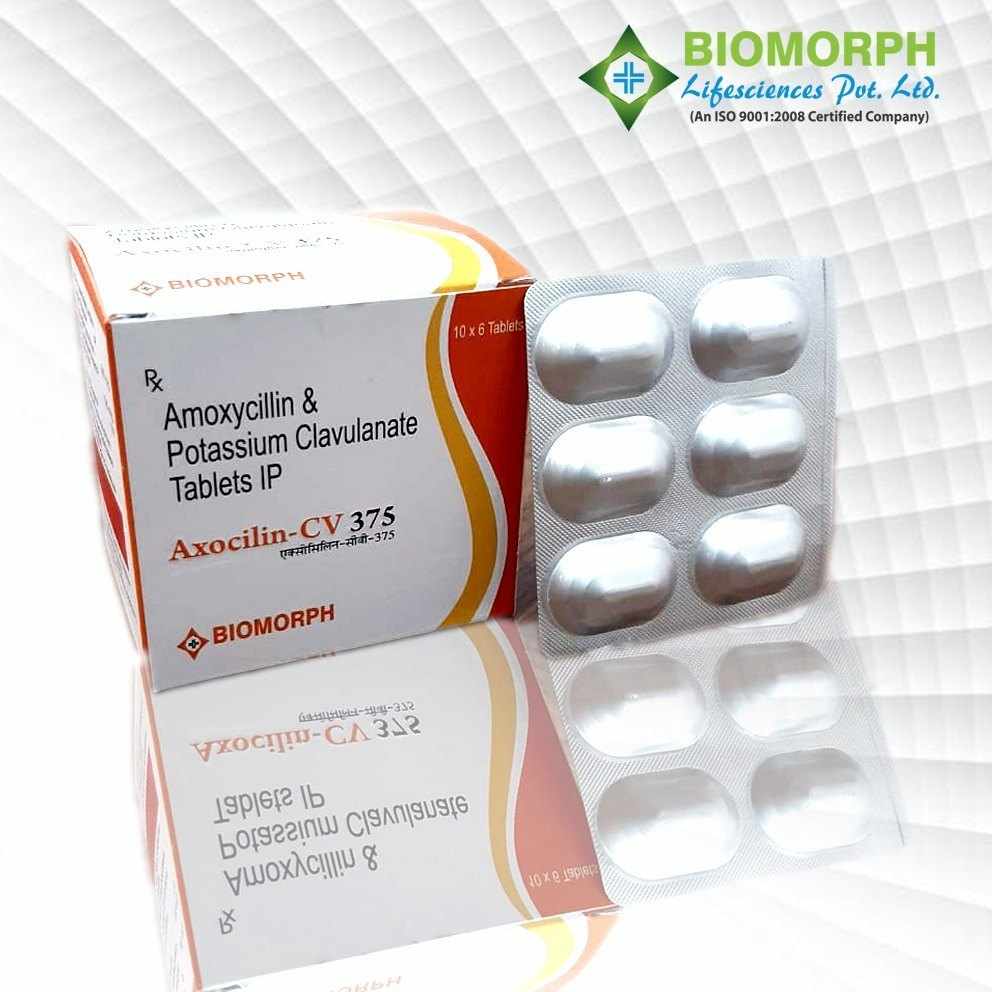
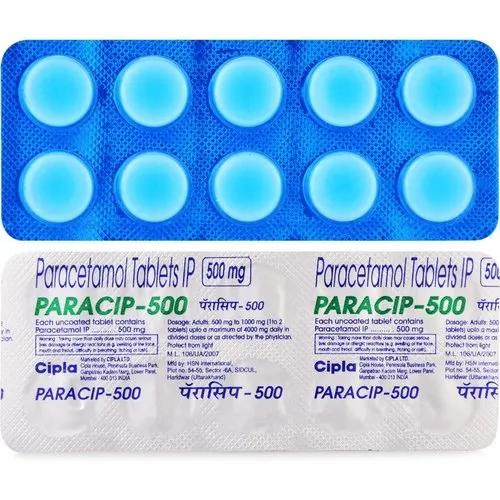
Pharmaceuticals – Tablets, capsules, syrups, ointments
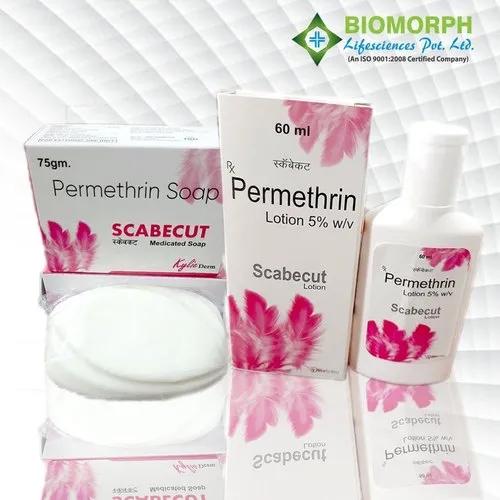
Cosmetics and Skincare – Creams, lotions, soaps, hair care products
Food and Beverages – Snacks, juices, packaged foods
Nutraceuticals and Supplements – Protein powders, herbal capsules, vitamins
Household and Cleaning Products – Detergents, air fresheners, cleaners
Key Factors to Consider When Choosing a Manufacturer
Choosing the right third-party manufacturer is crucial for product success. Consider the following factors before signing a contract:
Certifications and Compliance
Look for certifications such as GMP, ISO, FDA, or equivalent
These ensure quality standards and regulatory compliance
Production Capacity
Ensure the manufacturer can meet your order volumes
Check their minimum order requirements and flexibility
Quality Assurance
A good manufacturer should have a dedicated quality control team
Ask for product samples, lab test reports, and quality checks
Transparency
Clear communication about timelines, materials, and pricing
Open disclosure avoids misunderstandings later
Reputation
Check online reviews and industry feedback
Ask for references and visit the manufacturing site if possible
Challenges of Third-Party Manufacturing
Despite its many advantages, third-party manufacturing also has its challenges:
Limited Control
Since production is outsourced, you have less control over the process
Quality or delivery delays can affect your brand reputation
Dependence on the Manufacturer
Any disruption in their supply chain can impact your operations
You may be dependent on a single vendor for your entire product line
Confidentiality Risks
Sharing product formulas or trade secrets can be risky
Requires strict legal agreements to protect intellectual property
Tips for Success in Third-Party Manufacturing
To make the most out of a third-party manufacturing arrangement, follow these best practices:
Build a strong relationship with your manufacturer based on trust and transparency
Clearly define all terms in the agreement including quality, quantity, cost, and timelines
Monitor quality regularly through audits and testing
Plan inventory ahead of time to prevent stockouts
Protect your brand through NDAs and intellectual property agreements
Is Third-Party Manufacturing Right for You?
Third-party manufacturing is an excellent solution for businesses looking to:
Launch a new product quickly
Reduce operational costs
Scale production without capital investment
Leverage the expertise of experienced manufacturers
Whether you’re a new brand entering the market or an established business looking to expand, third-party manufacturing can provide the flexibility and efficiency needed to grow faster and smarter.
Conclusion
Third-party manufacturing is not just a cost-saving strategy; it's a powerful tool for scaling a business while maintaining product quality and brand integrity. By choosing the right partner, setting clear expectations, and maintaining good communication, you can turn third-party manufacturing into a long-term competitive advantage.
If you're planning to launch a product and don’t want to deal with the complexities of manufacturing, third-party manufacturing might just be the perfect solution.


Write a comment ...